Blog Content

25
Feb
2026
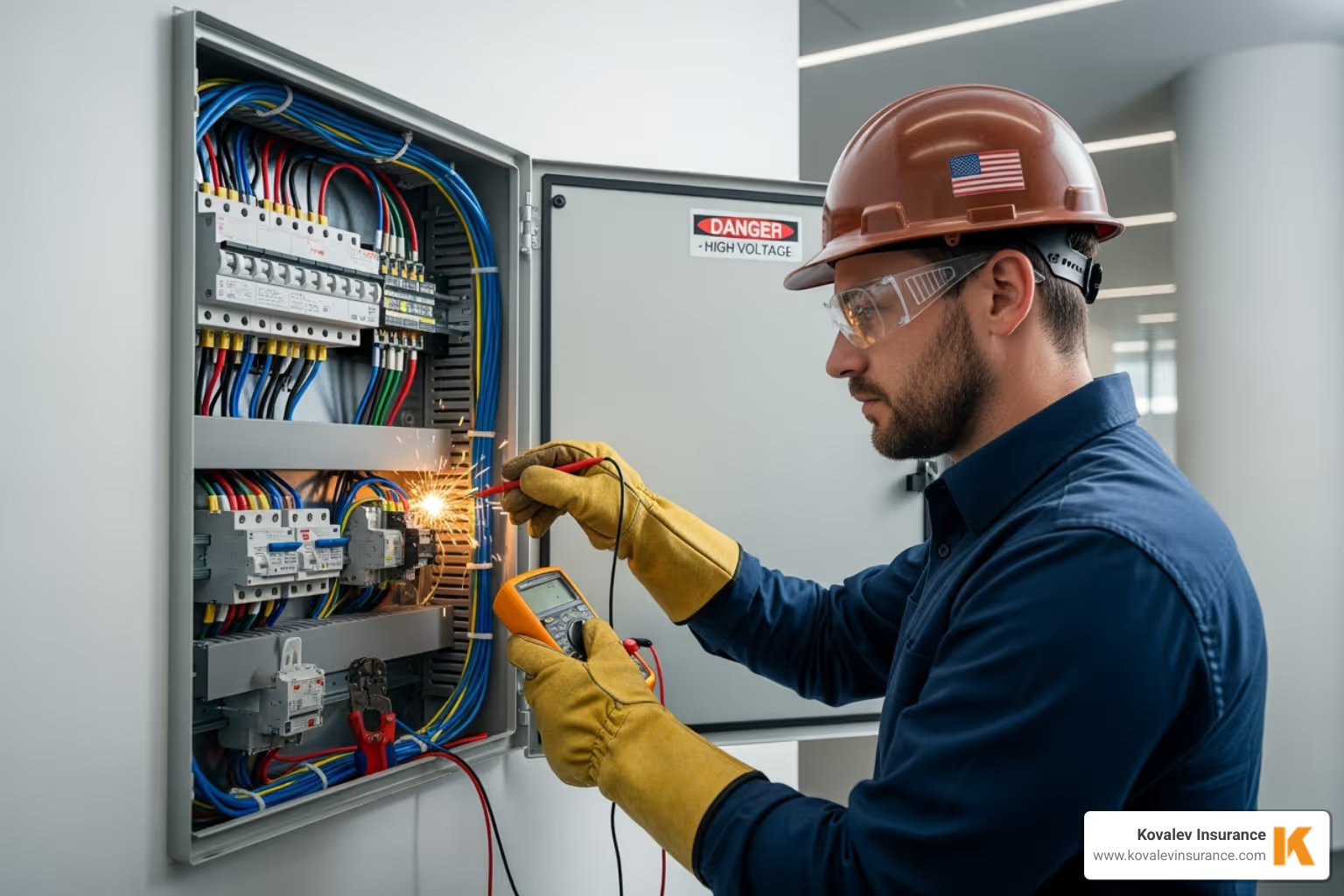
Electrical contractor insurance requirements protect your business from the unique risks that come with working in one of construction's most dangerous trades. Whether you're installing outlets in a Newton home or wiring a commercial building in Wellesley, the right insurance coverage isn't just smart business - it's often legally required.
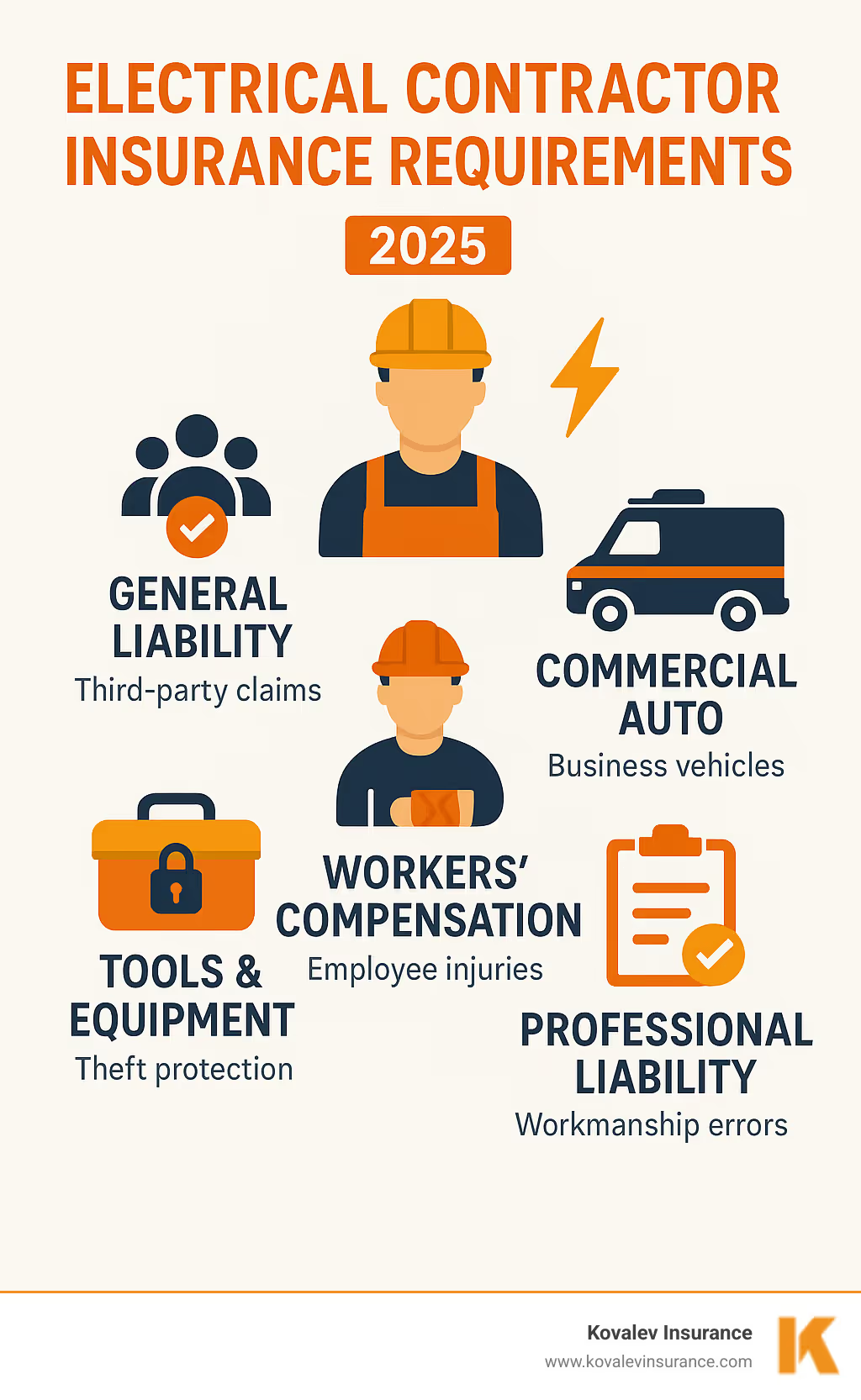
Essential electrical contractor insurance requirements include:
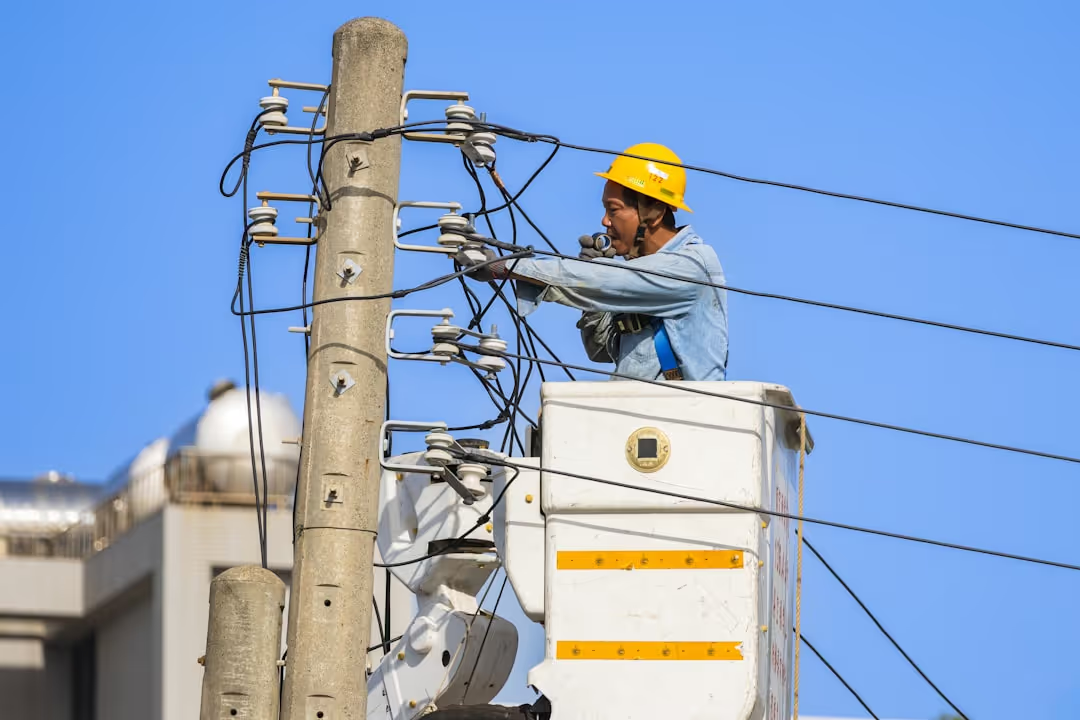
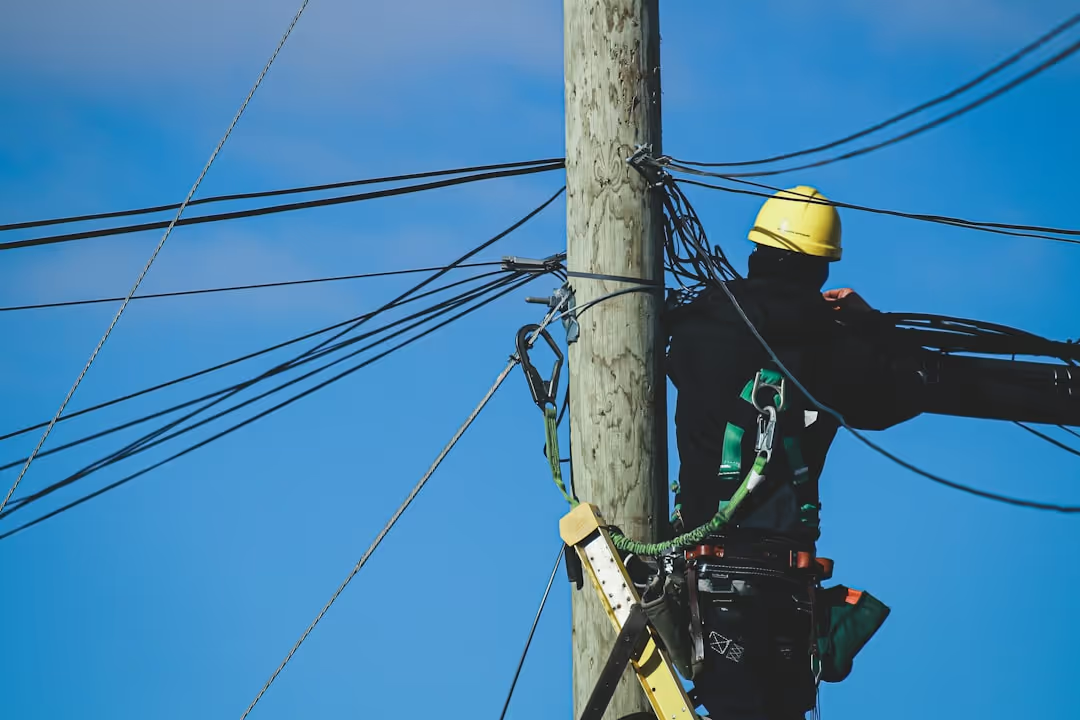
As an electrician, you face risks that most other trades don't encounter. One faulty connection could spark a fire that destroys a client's property. A single shock could seriously injure a worker or bystander. Without proper coverage, these incidents could bankrupt your business overnight.
The good news? Massachusetts has clear guidelines for what coverage you need, and understanding these requirements helps you protect both your business and your clients' trust.
Working with electricity is a high-risk profession. Electricians face daily hazards like electrocution, fire, and potential property damage. While the physical risks are obvious, the financial risks from a lawsuit, a fire caused by alleged faulty work, or tool theft can be even more devastating. Electrical contractor insurance is not just about meeting contractual obligations; it's about protecting your livelihood and giving you peace of mind.
If you work with electrical systems in Massachusetts, you need specialized insurance. This applies to:
Whether you're a solo contractor in Belmont or a large firm in Boston, the right insurance is crucial for survival and growth.
Insurance prepares you for the expensive curveballs of the electrical trade. Common claims include:
For comprehensive protection, explore our Artisan Contractors Insurance options designed specifically for skilled tradespeople like you.
Proper insurance is a powerful sales tool in the competitive Massachusetts market. Providing a Certificate of Insurance (COI) shows clients in towns like Brookline and Needham that you are a responsible professional.
Most clients and especially general contractors will not hire an uninsured electrician. Meeting their insurance demands, such as adding them as an additional insured, can be the deciding factor in winning a bid. A strong, insured reputation leads to more referrals and sustained business growth. Think of insurance as an investment in your business's future that opens doors and builds trust.
This section details the critical insurance coverages for any electrical business in areas like Newton or Wellesley.
General Liability is the cornerstone of your protection, covering claims of third-party bodily injury and property damage. It's your primary defense against business-crippling lawsuits.
What it covers:
We recommend electricians in Massachusetts carry at least $1 million in coverage. For more details, see our guide on General Liability Coverage.
If you have employees in Massachusetts, Workers' Compensation insurance is a legal requirement. It protects both your employees and your business by covering:
Failing to carry required coverage can lead to severe fines. Learn more on our Worker Compensation Insurance page.
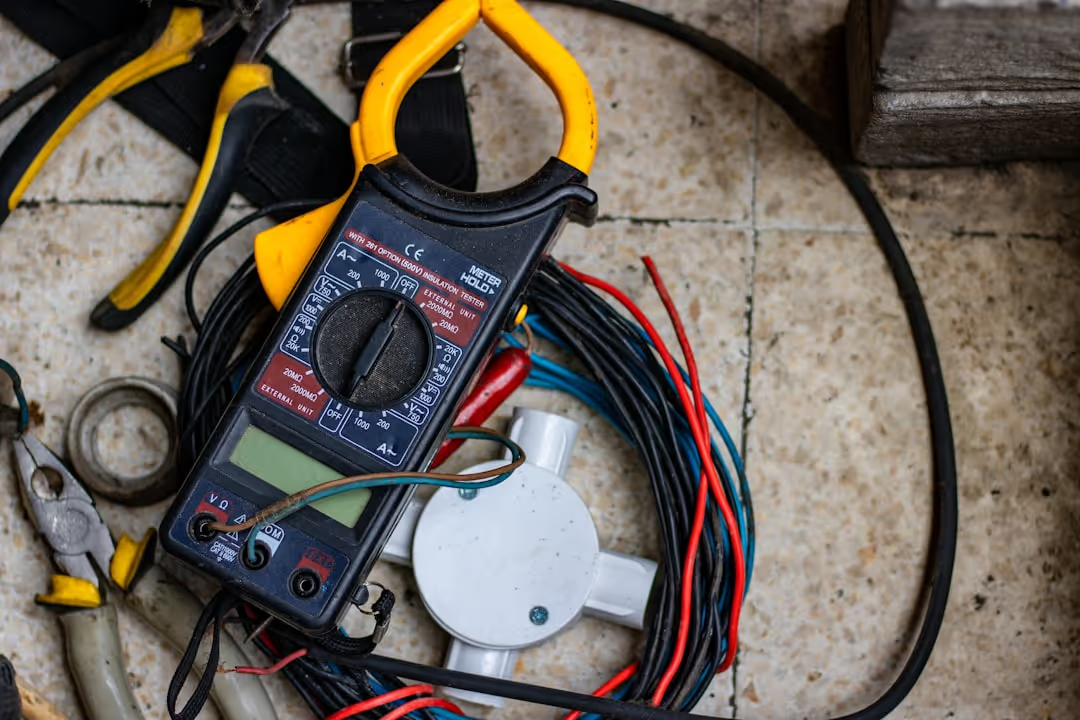
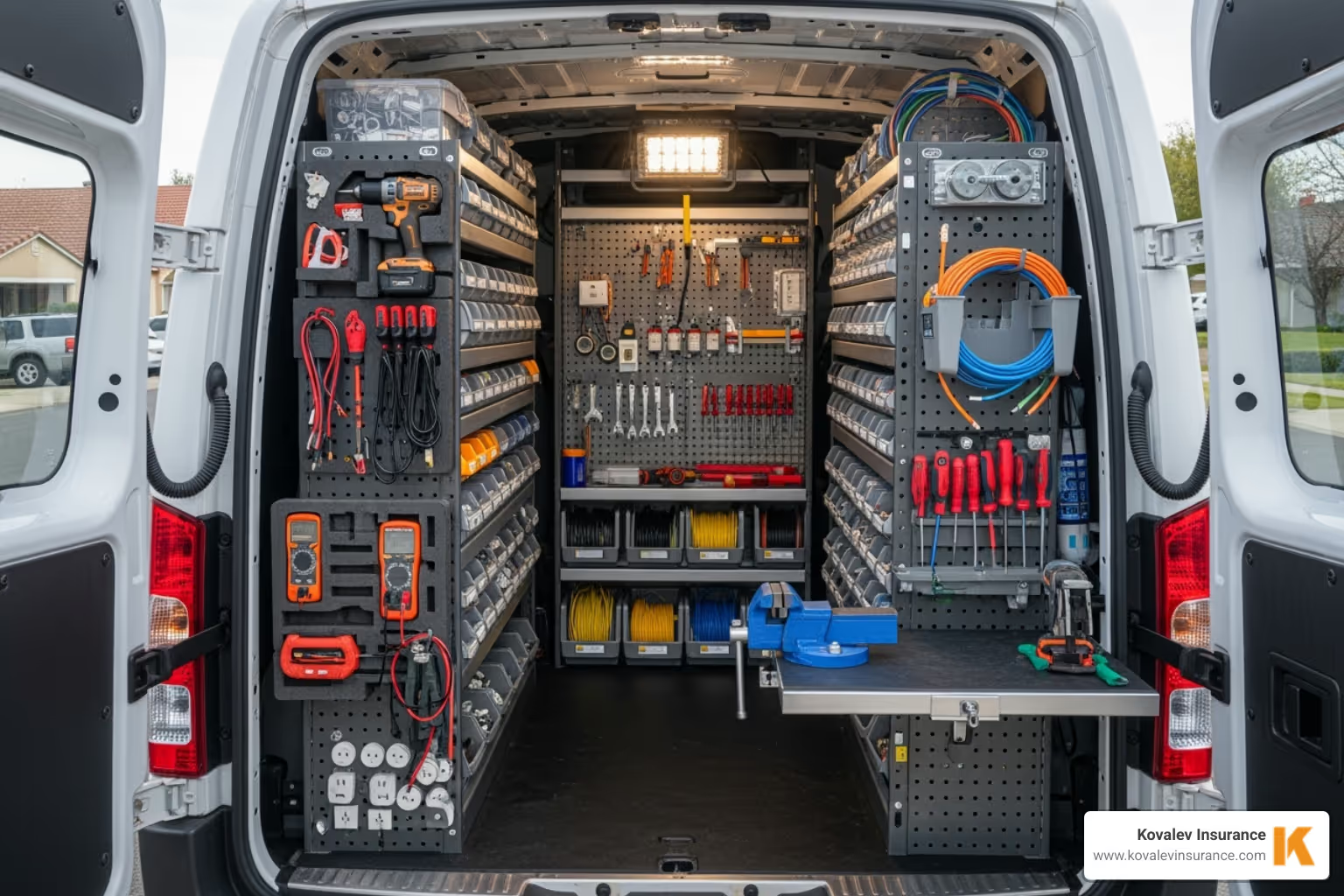
Your tools are a significant investment. This policy, a type of Inland Marine coverage, protects them from theft, damage in transit, vandalism, and fire, whether they are at your shop or on a job site. We recommend keeping a detailed inventory of your tools to streamline any potential claims. The average annual premium is around $494.
For more details, visit our Inland Marine Insurance Coverage page.
A personal auto policy will not cover vehicles used for work. If you use a truck or van to carry tools, transport employees, or travel to job sites, you need Commercial Auto insurance. It covers liability for at-fault accidents, physical damage to your work vehicles, and can include coverage for rented vehicles or employees using their own cars for business. Electricians pay an average of about $1,600 annually per vehicle.

Operating in Massachusetts means navigating specific legal and licensing mandates. Understanding these requirements is key to staying compliant in towns like Brookline and Needham.
The Board of State Examiners of Electricians sets the rules. These are the non-negotiable requirements for your business protection.
These mandates ensure that if something goes wrong, there is a clear path for compensation without bankrupting your business. For full details, review the official Massachusetts insurance requirements.
State requirements are just the baseline. Real-world projects, especially in the competitive Greater Boston market, often demand more.
Meeting these higher standards qualifies you for better projects and builds stronger professional relationships.
Understanding insurance costs helps you budget properly. While every electrician's premium is unique, this breakdown provides a realistic picture of what to expect in Massachusetts.
Insurers assess your risk based on several factors:
Here are typical annual premium ranges for a small electrical contractor in Massachusetts.
General Liability averages around $684 annually, but solid $1 million/$2 million coverage typically costs $800 to $1,500 per year. Workers' Compensation is based on payroll, costing about $2.63 per $100 of payroll. Commercial Auto averages about $1,600 per vehicle, while Tools & Equipment coverage is often around $494 per year, depending on the value of your gear.
A great way to save is by bundling policies into a Business Owner's Policy (BOP), which often comes with a discount. The goal is to balance adequate protection with affordable premiums.
For more insights into optimizing your business insurance costs, check out our Commercial Business Owner Insurance page.
Smart electrical contractors know that insurance is just one piece of the safety puzzle. The best way to protect your business – and keep your electrical contractor insurance requirements affordable – is to prevent accidents before they happen.
Building a genuine safety culture where everyone feels responsible for preventing accidents will dramatically reduce claims and lower your insurance premiums over time.
For more guidance on building effective safety protocols and risk management strategies, check out our Risk Management Services page. We're here to help you create a comprehensive approach to protecting your electrical contracting business.
Over the years, we've helped hundreds of electricians across Massachusetts steer their electrical contractor insurance requirements. The same questions come up time and again, especially from contractors just starting out or those expanding their operations. Let me address the most common concerns we hear.
It depends on your business structure. If you operate as an LLC or LLP, the Board of State Examiners of Electricians requires you to carry general liability insurance with specific minimum limits. If you have even one employee, Massachusetts law also requires you to have Workers' Compensation insurance. It's always best to confirm current requirements with the Board or an insurance professional.
No. Personal auto policies contain a "business use exclusion," meaning they will not cover accidents that happen while you're using the vehicle for work. This includes driving to job sites in Needham, transporting tools, or carrying employees. You must have a Commercial Auto insurance policy for any vehicle used for your business to be properly protected.
You could be held liable for their medical bills and lost wages. The injured subcontractor will likely file a claim against your insurance, leading to significant costs and legal headaches. To prevent this, always require subcontractors to provide a current Certificate of Insurance showing they have their own General Liability and Workers' Compensation coverage before they begin any work on your job site.
Running an electrical contracting business in Massachusetts means juggling complex projects, tight deadlines, and countless safety considerations. The last thing you want to worry about is whether you're properly protected when something goes wrong.
Electrical contractor insurance requirements aren't just bureaucratic problems - they're your business's lifeline. From a simple slip-and-fall accident in Newton to a major electrical fire claim in Wellesley, the right insurance coverage can mean the difference between a manageable setback and financial devastation.
We've covered the essential policies every electrical contractor needs: General Liability to protect against third-party claims, Workers' Compensation to meet Massachusetts legal requirements, Commercial Auto for your work vehicles, and Tools & Equipment coverage for your valuable gear. Each piece works together to create a comprehensive safety net for your business.
But here's the thing - every electrical contractor's situation is unique. A residential electrician in Brookline faces different risks than an industrial contractor working on large commercial projects in Needham. Your coverage should reflect your specific exposures, not follow a cookie-cutter approach.
That's where having an experienced insurance partner makes all the difference. At Kovalev Insurance, we've spent over a decade helping electrical contractors across Greater Boston steer their insurance needs. We understand the Massachusetts licensing requirements, the local market demands, and the unique challenges you face whether you're working in Belmont or Natick.
Our team takes the time to understand your business - the type of work you do, your growth plans, and your budget constraints. We then craft a protection plan that meets all state and local electrical contractor insurance requirements while ensuring you're not overpaying for coverage you don't need.
Don't leave your business vulnerable to the unexpected. A comprehensive insurance plan gives you the confidence to focus on what you do best - delivering quality electrical work that keeps Massachusetts powered up and running safely.
Get a quote for your Artisan Contractors Insurance today and secure the protection your electrical contracting business deserves.


X