Blog Content

21
Mar
2026

How to become a preferred contractor for insurance companies is a question that can open up tremendous growth for contractors across Massachusetts. This strategic partnership offers a direct path to consistent, high-value work while building lasting relationships with major insurance carriers.
Quick Answer: To become a preferred contractor for insurance companies:
The benefits of achieving preferred status are substantial. As one industry professional noted, "Insurance restoration jobs are among the most lucrative jobs a contractor can land. Not only are these usually larger jobs, but you're guaranteed to get paid, too." This preferred status creates a steady workflow, improves your business credibility, and establishes valuable partnerships with insurers who regularly need reliable contractors for their policyholders in Newton, Wellesley, Brookline, and throughout the Greater Boston area.
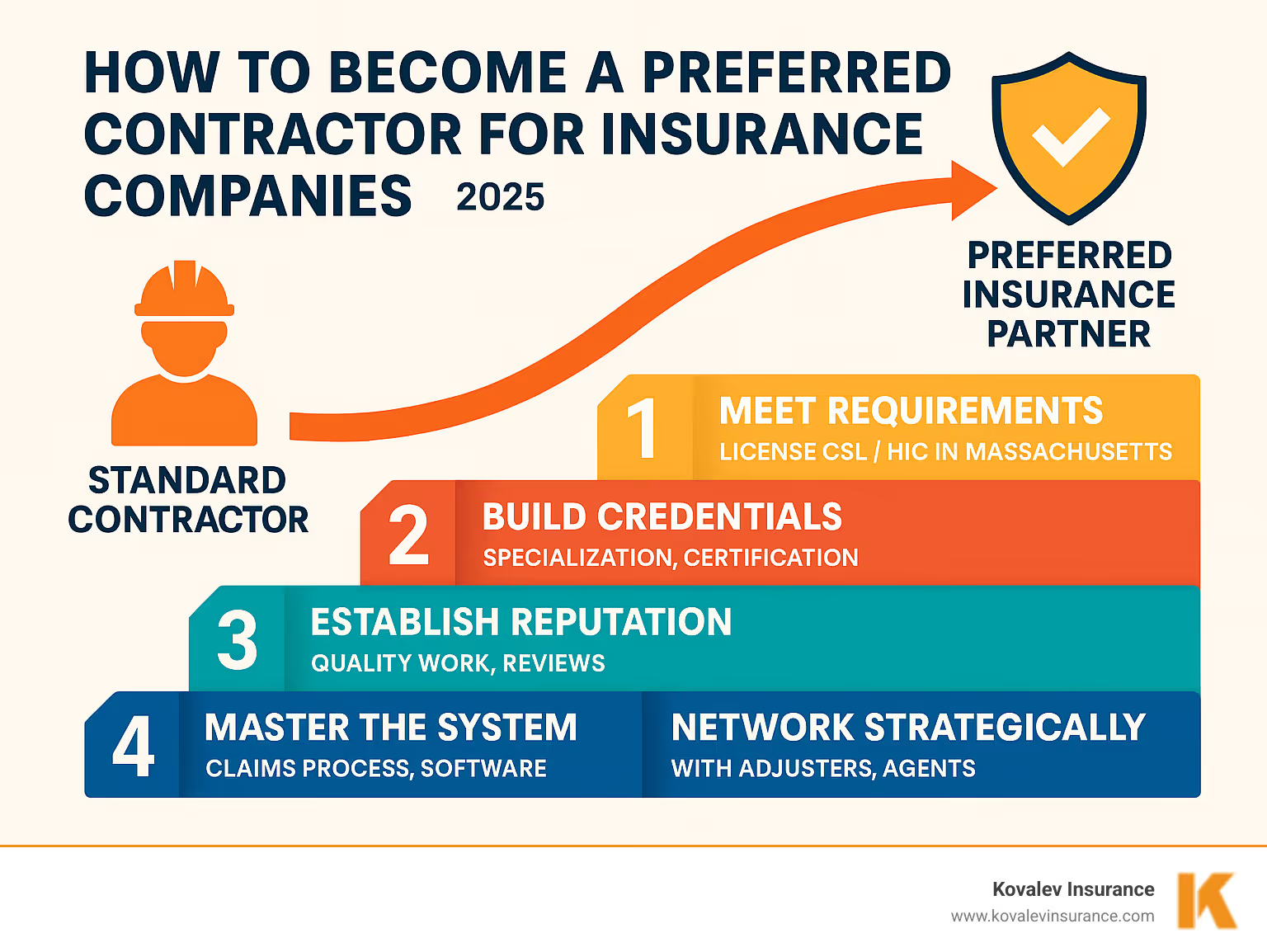
Quick look at how to become a preferred contractor for insurance companies:
Before you can even dream of becoming a preferred contractor for insurance companies, there's some non-negotiable groundwork to lay. Think of it as building your own strong foundation, just like you would for any major construction project. This groundwork ensures you're a legitimate, reliable, and capable business partner in the eyes of insurance companies, especially here in our beloved Massachusetts.
First and foremost, legal compliance is king. To operate as a contractor in Massachusetts, you simply must have the appropriate licenses and registrations. This typically includes a Construction Supervisor License (CSL) for many types of building work, and Home Improvement Contractor (HIC) registration if you're working on residential properties. And don't forget those local permits! Towns like Newton, Brookline, or Wellesley can have their own specific requirements, so it's always smart to check with their local building department. Getting these in order shows you're serious and play by the rules.
Beyond licensing, robust insurance coverage isn't just a good idea—it's absolutely essential. Trust us, insurance companies won't even consider working with you if you're not properly insured. Here’s what we typically see as the bare minimum:
A license lets you work, while insurance protects you financially if something goes wrong. Both are crucial steps on how to become a preferred contractor for insurance companies. For more in-depth information on protecting your business, take a look at More info about Construction Insurance Mass.
Once your legal and insurance ducks are neatly in a row, it’s time to focus on your professional history. Insurance companies are always on the hunt for experienced, reputable contractors.
A minimum of 5 years of experience is a very common benchmark. Many insurers prefer contractors who have been in the field for at least half a decade. For those aiming to specialize in insurance repair work, some regions and companies might even ask for five years of experience specifically in that niche. It shows you’ve seen a thing or two and know how to handle different situations.
While general contracting is valuable, specializing in areas like water, fire, or storm damage can make you much more attractive to insurers. A contractor who invests in specialized training for handling specific types of damage (say, mold remediation) becomes invaluable to them.
Industry certifications are your way of proving your expertise in specific restoration techniques. The Institute of Inspection, Cleaning, and Restoration Certification (IICRC) is widely recognized. Certifications like Water Damage Restoration (WRT) or Fire and Smoke Restoration (FSRT) show you're serious about quality and know the industry's best practices. They speak volumes about your commitment.
While not always mandatory, a college degree or a diploma in civil engineering like this one: https://www.ontariocolleges.ca/en/programs/engineering-and-technology/civil-engineering-tech or a similar area can give you a real edge. Especially when combined with significant practical experience, it shows a deeper understanding of building science and how to manage projects efficiently.
Finally, building a strong project portfolio is like your resume in action. This is where you showcase successful projects, especially those involving insurance claims. Document "before-and-after" photos, share glowing client testimonials, and explain how you managed complex repairs efficiently. This visual proof of your capabilities is incredibly valuable and helps tell your story.
In the competitive Greater Boston market, having the right licenses and insurance is just the entry ticket. To truly understand how to become a preferred contractor for insurance companies, you need to build a reputation that makes insurers confident in recommending you to their policyholders in Wellesley, Needham, and beyond.
Think of it this way: insurance companies are essentially vouching for you when they add you to their preferred contractor list. They're putting their reputation on the line, so they need to know you'll make them look good.
Insurance companies want partners they can trust completely. Every project you complete, every interaction you have, is building your case for how to become a preferred contractor for insurance companies.
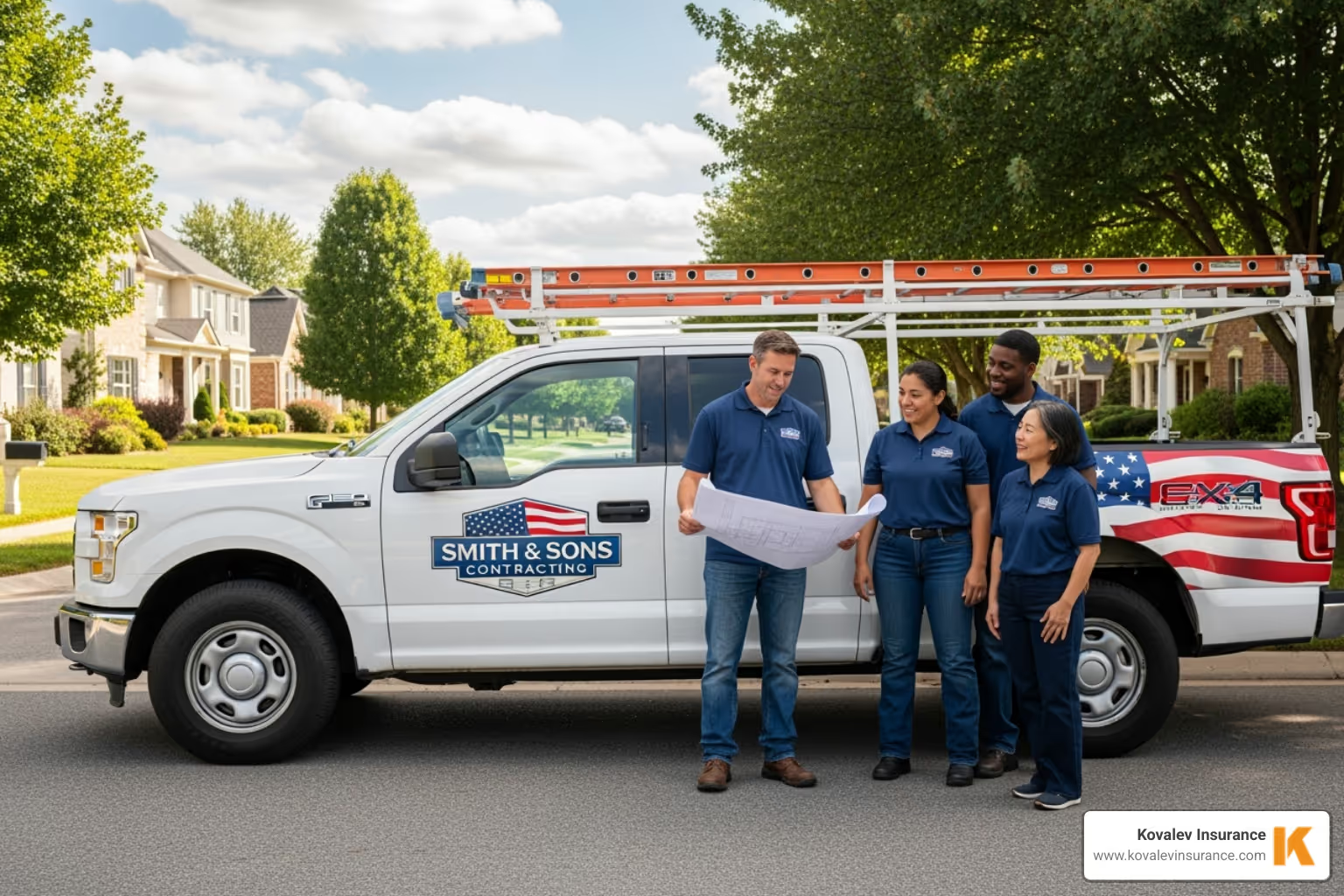
High-quality workmanship is your foundation, but it's not just about the final result. It's about consistently delivering work that requires no callbacks and leaves homeowners genuinely satisfied. When an insurance adjuster knows your work won't create additional headaches down the road, you become invaluable.
Adhering to timelines and budgets shows you understand the business side of restoration work. Insurance claims are time-sensitive situations where families are often displaced from their homes. When you promise a completion date, hitting that target demonstrates reliability that adjusters notice and remember.
Your clear communication protocols can set you apart from competitors who treat communication as an afterthought. Keep all parties informed throughout the project – the homeowner shouldn't have to wonder what's happening, and the adjuster should never be surprised by delays or cost overruns.
A professional online presence has become non-negotiable in today's market. Your website and optimized Google Business Profile serve as your digital business card. This is especially important given that 46% of all Google searches are for local businesses. When adjusters need a contractor in Belmont or Natick, your strong local SEO presence helps them find you quickly.
Here's something many contractors don't fully grasp: customer satisfaction isn't just about making the homeowner happy – it's about making the insurance company look good. When you provide exceptional service, you're solving problems for both the policyholder and the insurer.
Insurance companies rely on you to represent them well in some of their customers' most stressful moments. A water-damaged home in Brookline or fire damage in Newton creates anxiety and disruption. How you handle these situations directly reflects on the insurance company's choice to work with you.
Generating positive reviews should be part of your standard process, not an afterthought. Since 93% of customers read online reviews before making decisions, these testimonials become powerful tools for both attracting new clients and demonstrating your value to insurance partners.
Showcasing testimonials on your website and marketing materials provides social proof that you consistently deliver quality results. When an adjuster sees genuine praise from homeowners, it reinforces their confidence in recommending you.
Even handling negative feedback professionally can work in your favor. Address concerns quickly and calmly, showing that you're committed to resolving issues rather than avoiding them. This integrity builds trust even in challenging situations, which insurance companies value highly.
Building trust with homeowners in communities like Belmont and Natick requires understanding that property damage is deeply personal and stressful. Your professionalism, empathy, and ability to deliver on promises create the positive experiences that insurance companies want their policyholders to have. For more insights on the importance of building strong client relationships, you can explore resources about customer satisfaction.
Once you've built a solid foundation and a sparkling reputation, it's time to get strategic. This section outlines the active steps and mindset needed to actually secure that coveted preferred status. Think of it as moving from simply being a great contractor to showing insurance companies why you're their best choice.
Networking isn't just about collecting a stack of business cards; it's about cultivating genuine relationships. These connections are your direct line to a steady stream of insurance work. Building these relationships is a huge part of how to become a preferred contractor for insurance companies.

Start by identifying key contacts. These are the folks who make decisions and recommendations. We're talking about insurance adjusters, who are on the frontline assessing damages and approving repairs. Building a strong reputation and positive rapport with them is absolutely crucial. Make their jobs easier, and they'll be your best advocates. Then there are the insurance agents in your local community. They're often the first point of contact for policyholders and can be a fantastic source of referrals. Finally, don't forget claims managers. These individuals oversee entire claims departments and often have a big say in who gets on those all-important preferred vendor lists.
One of the best ways to meet these folks is by attending local industry events. Participate actively in conferences, workshops, and trade shows, especially those attended by insurance professionals right here in the Greater Boston area. These are prime opportunities to meet adjusters and agents face-to-face in a relaxed setting.
The goal is building genuine relationships. Think of it as planting seeds, not just collecting contacts. Focus on creating mutually beneficial connections. Be polite, respectful, and always look for ways to collaborate. Try providing value without always asking for work in return. For instance, you could offer "lunch-and-learn" sessions to local insurance agencies, sharing valuable insights on common repair challenges or new restoration techniques. This positions you as an expert and a helpful resource. You want to be treating adjusters as partners. You and they share a common goal: helping the homeowner. Seeing them as allies rather than adversaries makes their job easier and positions you as a reliable, professional friend in the business.
To truly differentiate yourselves and become a go-to contractor, you need to understand and integrate with the insurance company's workflow. This means mastering their system. It's a critical part of how to become a preferred contractor for insurance companies.
Start by deeply understanding the insurance claims process. Get familiar with the ins and outs of how claims are handled. This includes knowing common insurance terms, understanding policy limits, and recognizing the different roles within an adjuster's office – from the manager to the adjuster themselves, and even the administrative staff. A deep understanding here will benefit you immensely.
Next, focus on scoping losses accurately. Provide estimates that are not only detailed but also precise. This means thoroughly documenting damage with clear photos or videos and including detailed notes. Always research thoroughly before providing an estimate.
Perhaps one of the most critical steps is using industry-standard software. Submitting your bids using the same programs that insurance companies use, like Xactimate or Symbility, can significantly streamline the process for adjusters and dramatically increase your chances of approval. These programs standardize estimates and make it much easier for adjusters to review and approve your work.
Your overarching goal should be streamlining the process for adjusters. Make their job as easy as possible by providing clear, organized, and complete documentation every single time. This includes detailed documentation beyond just the estimates. Maintain comprehensive project records, document all work performed with photos, and provide detailed reports. This prevents payment disputes and ensures complete transparency. Insurance companies will often require detailed monthly invoices, so be ready for that!
Finally, always aim for accurate estimates. Overpromising and under-delivering, especially with your financial projections, is a common mistake that can set you back. Accurate estimates, paired with excellent customer service, leave a much better impression and are exactly what agents and adjusters are looking for. Oh, and while not always directly tied to preferred status, having a robust professional liability insurance policy demonstrates your commitment to managing risk and protecting your clients. For more information, you can explore More info about Professional Liability Insurance Mass. This shows the insurer that you are a responsible and trustworthy business partner.
Even with the best intentions, mistakes can set you back years in your quest to become a preferred contractor. We've seen it happen, and it's often due to common, avoidable pitfalls.

Here are the common mistakes contractors should avoid when trying to secure insurance work:
Navigating insurance contracting can bring up a lot of questions. It's perfectly normal to wonder about the specifics! Here at Kovalev Insurance, we get these questions all the time. Here are some of the most common ones we hear, along with our expert answers, to help you on your journey to understand how to become a preferred contractor for insurance companies.
The benefits of becoming a preferred contractor are truly game-changing for your business. First and foremost, you get a consistent stream of high-quality job leads. Imagine not having to constantly chase new clients! Insurance companies call you when their policyholders need help. This means a steady workflow, even during slower seasons when other contractors might be struggling.
Secondly, you'll often find guaranteed payment for completed work. When you're on a preferred list, the payment process is usually much smoother and more reliable. This helps your cash flow and gives you peace of mind.
Third, your business credibility improves dramatically. Being vetted and trusted by major insurance carriers speaks volumes about your reliability and quality. This can attract even more work, both insured and private, as your reputation grows in places like Wellesley, Newton, and all across Massachusetts.
Finally, it's about building long-term, profitable relationships with major insurance carriers. These aren't just one-off jobs; they're partnerships that can last for years, bringing consistent opportunities and growth to your contracting business. It's a win-win for everyone involved!
This is a great question! While you, as the contractor, are definitely in control of your projects and how you run your business, there's an important nuance when it comes to insurance claims. The insurance company's main goal is to restore the property to its "pre-loss condition."
This means their approved scope of work will focus on using materials of "like kind and quality." They'll approve materials that match the previous ones in terms of quality and function. This doesn't necessarily mean a specific brand or a super high-end upgrade. If a homeowner wants to upgrade (say, from standard carpet to hardwood floors), those deviations or upgrades are typically negotiated directly with the homeowner. They would pay for that difference out of their own pocket.
Similarly, while insurance companies might have preferred lists of subcontractors or even recommend some, the ultimate choice of who works on the home usually rests with the policyholder. As the general contractor, you're responsible for the overall project, and that includes who you bring onto the job. The insurance company cares more about the end result matching their "like kind and quality" standard than the specific names on your crew.
In short? It is critically important! Think of it this way: insurance companies and their adjusters use specific software, like Xactimate or Symbility, to standardize how they estimate damages and process claims. When you, as a contractor, can use the same language and tools, it makes their job incredibly easy.
Submitting your bids using their preferred format, like Xactimate, shows them you're a true professional. It significantly increases your chances of getting your estimates approved quickly and securing more work. Why? Because you're speaking their language! Your estimates are clear, accurate, and easily digestible for them. This streamlines the entire process, cutting down on back-and-forth and making you a preferred partner.
In today's environment, being able to submit detailed, accurate, and organized estimates in their preferred format gives you a significant competitive edge. It truly demonstrates your commitment to efficiency and professionalism, which is exactly what insurance carriers in Belmont, Natick, and across Massachusetts are looking for in their preferred contractors.
So, you've journeyed with us through the ins and outs of how to become a preferred contractor for insurance companies. It's clear that this isn't a quick dash, but more of a rewarding marathon that builds lasting success for your business.
As we've explored throughout this guide, it truly takes a strategic mix to get there. From getting your essential qualifications in order and building a stellar reputation, to mastering the insurance system and actively networking with key players. It’s all about showing insurance companies in places like Boston, Newton, Wellesley, and Brookline that you're not just a service provider, but a trusted, reliable partner they can genuinely rely on.
By following these steps – meeting those essential requirements, consistently delivering top-notch service, and truly understanding the intricate insurance ecosystem – you’ll open up a powerful, steady stream of work for your business right here in the Greater Boston area. Think of it: not just consistent projects, but a huge boost to your industry standing and credibility in communities like Belmont, Natick, and Needham.
Every great building starts with a solid foundation. For your contracting business, that means having the right insurance coverage in place. Here at Kovalev Insurance, we're not just about policies; we're about partnership. With our deep knowledge of the insurance industry, we can help you tailor the perfect personal and commercial insurance solutions. We'll make sure you have the confidence and protection you need to chase that coveted preferred status.
Ready to take that crucial first step? Don't wait! Get started with your Artisan Contractors Insurance today, and let the team at Kovalev Insurance help you build the robust insurance portfolio that truly sets preferred contractors apart.


X